
From network analysis to coordinated incident resolution
On 23 November 2026, Express Computer and ChannelLife reported on a collaboration between DXC Technology and Cisco. The integration announced on 19 November aims to connect Cisco's network diagnostics with the DXC OASIS orchestration platform. Its initial intended use is workplace Wi-Fi performance in Cisco Meraki environments.
The approach links network data with existing IT service processes and incorporates human approval for remediation. This is an announced development initiative, rather than a guarantee of improved resolution times across all customer environments.
Connect service desk and on-site engineers effectively
Wireless incidents can have many causes, including weak coverage, interference, configuration errors or endpoint problems. Recording affected locations, devices and times systematically helps service desk teams distinguish recurring faults from isolated incidents.
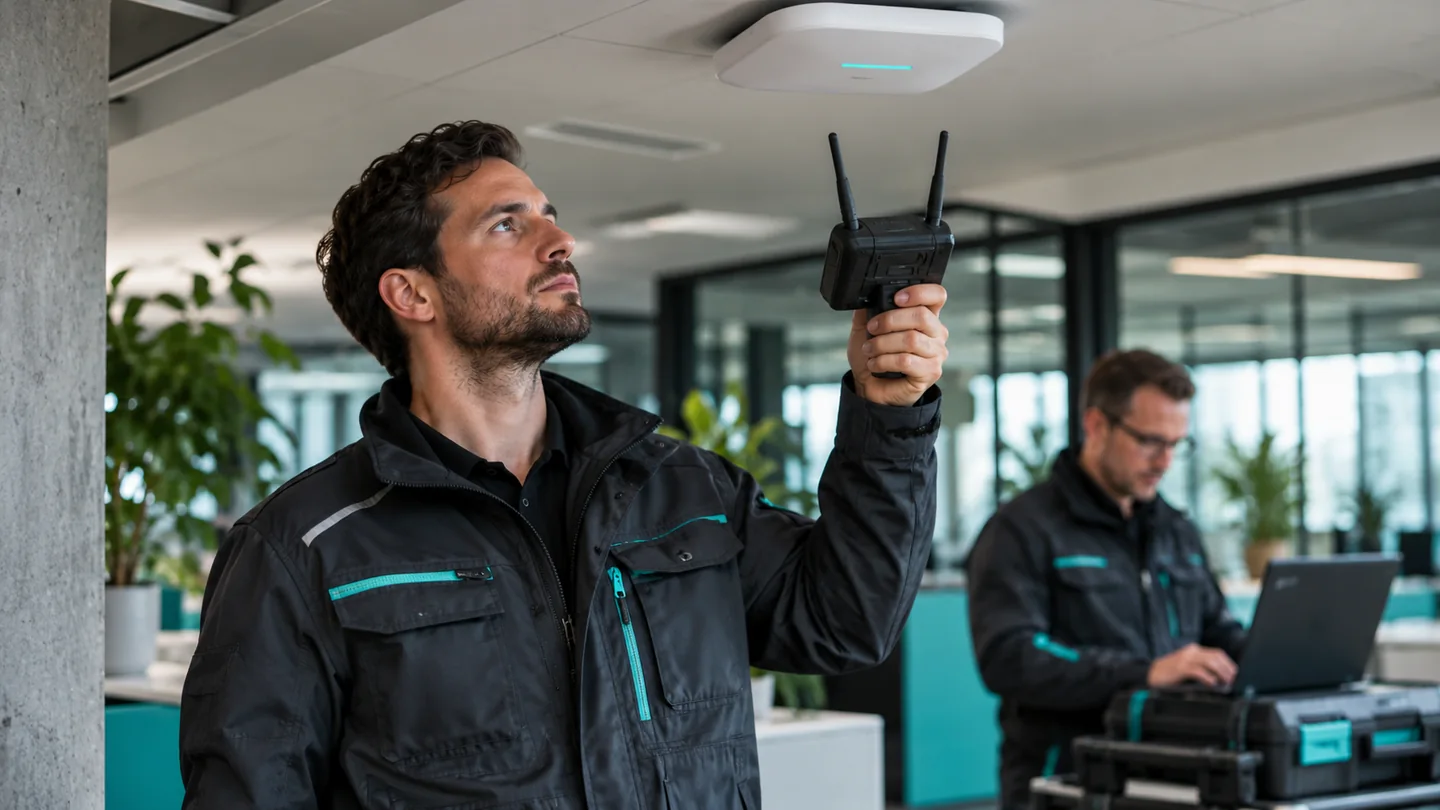
When remote diagnosis cannot establish a clear cause, field engineers need a specific work order with measurement points, existing findings and defined success criteria. Measurements and observations collected on site should be recorded in the original incident. This keeps the resolution process traceable across the teams involved.
Control changes and measure service quality
Nivando Field recommends assessing automated suggestions against their likely impact on each location. Changes to radio channels, transmit power or network configuration require clear ownership, appropriate timing and a documented recovery procedure. Critical interventions should remain subject to technical approval.
Acceptance should include comparable measurements before and after remediation. Connection failures and connection setup times matter alongside user experience, ticket reopening rates and the actual time to restore service. AI-assisted analysis delivers demonstrable value when these results can be verified in normal service operations.
Sources
Related IT services